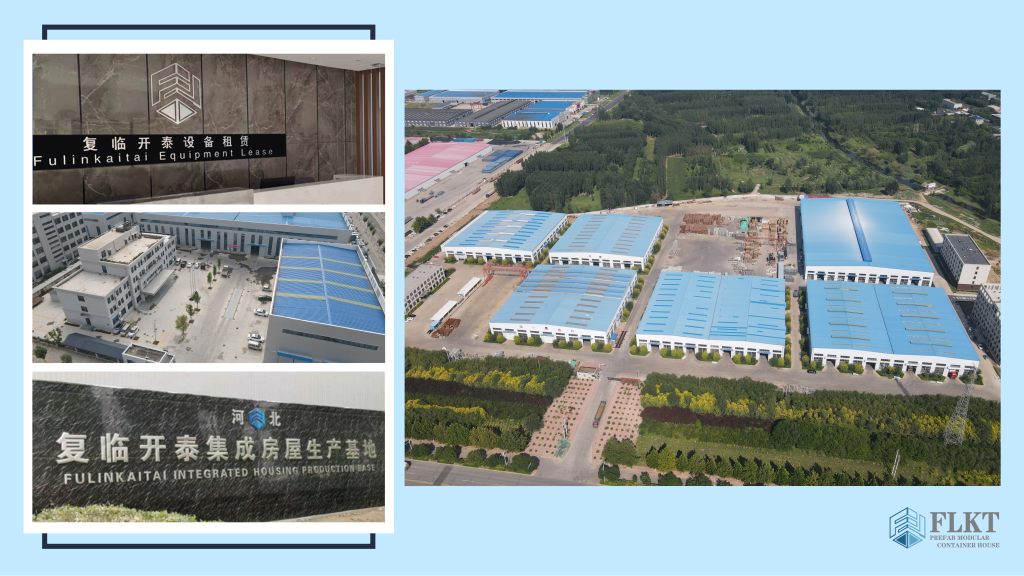
Navigating Compliance and Practicality
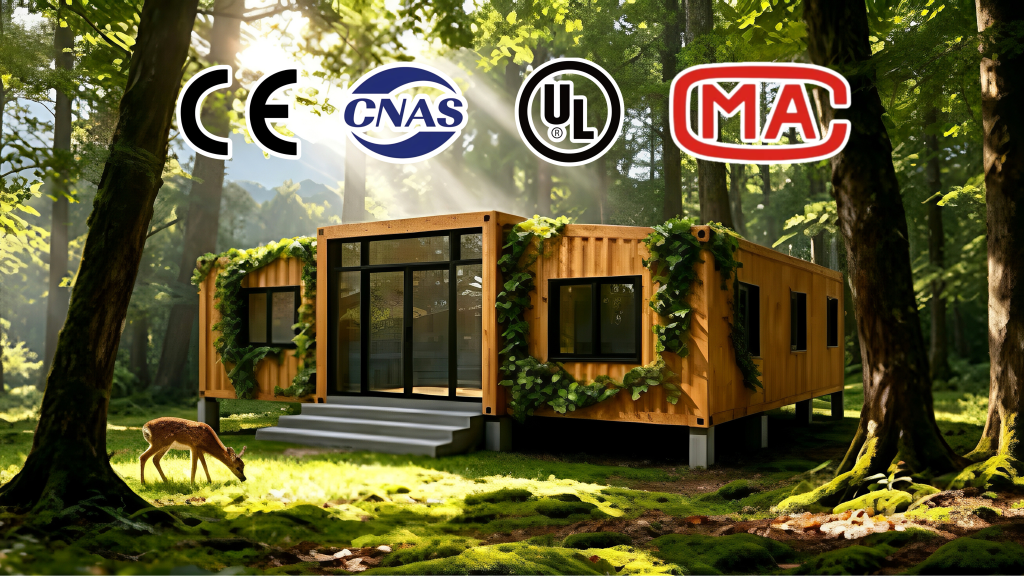
In the modular building industry, standards vary significantly from country to country (e.g., CE for Europe, AS/NZS for Australia, UL/IBC for the USA). Requirements often cover insulation, fire ratings, and minimum ceiling heights.
As a manufacturer of highly customized, non-standard products, pursuing full-unit certification for every single region would drastically increase production and testing costs. This would strip away the product’s primary advantage: its affordability. Furthermore, in many countries, once a crane is involved in placement, the project may be classified as “construction,” requiring extensive local permitting.
Our Solution: Quality Through Certified Components
To provide peace of mind without the excessive price tag, we follow a “Certified Materials” strategy:
- Steel Structure: We use high-grade galvanized steel that meets international strength and anti-corrosion standards.
- Insulation: Our sandwich panels utilize high-quality fire-retardant materials.
- Electrical Systems: All wires, sockets, switches, and lighting are UL, CE, or SAA certified standard parts, ensuring safety and compatibility.
Best Use Cases for Expandable Houses
1. Farms and Agricultural Support
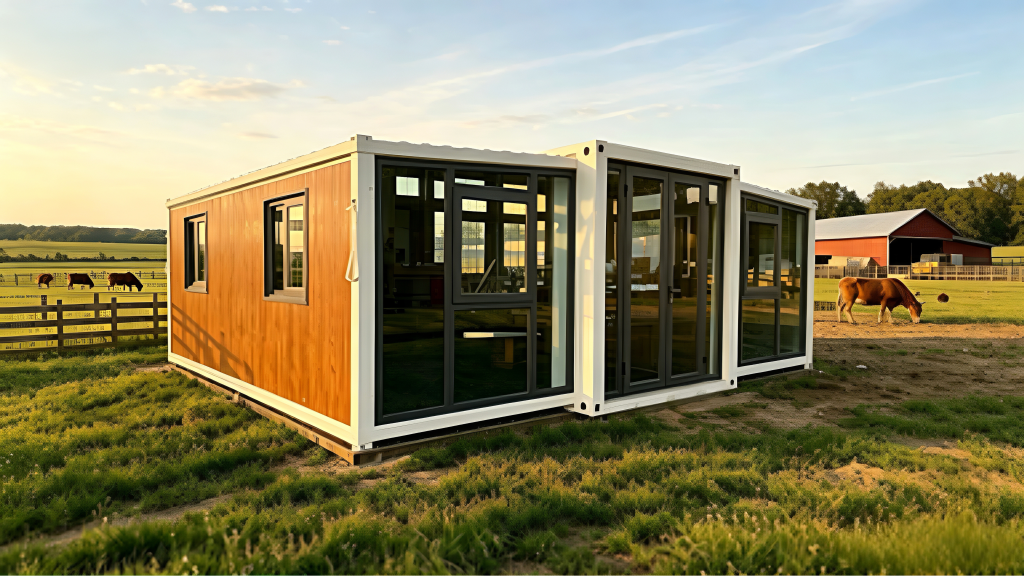
Farms are typically located far from urban centers where building codes are often more flexible.
- Applications: Storage for light machinery, seasonal worker housing, or temporary onsite offices.
- Why it works: The “Plug-and-Play” nature allows farmers to deploy housing quickly in remote areas without needing a full construction crew.
2. Backyard Studios and Accessory Dwelling Units (ADU)
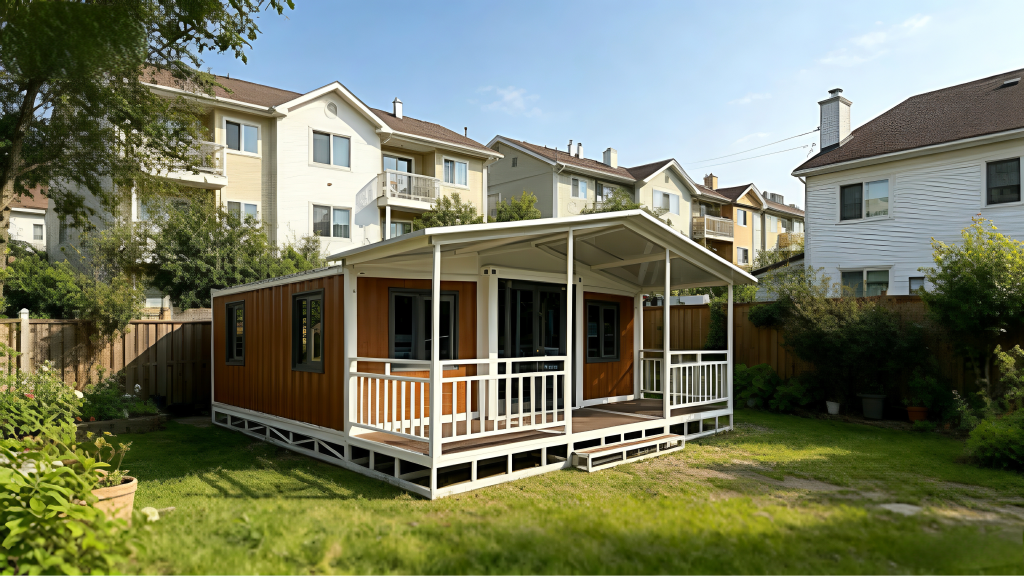
For homeowners with large backyards, an expandable house is a perfect “value-add” structure.
- Applications: Hobby rooms, pet shelters, equipment storage, or a backup guest room for short-term stay.
- Why it works: Steel structures offer superior earthquake resistance. As a temporary or movable structure, it often bypasses the complex red tape required for permanent concrete additions.
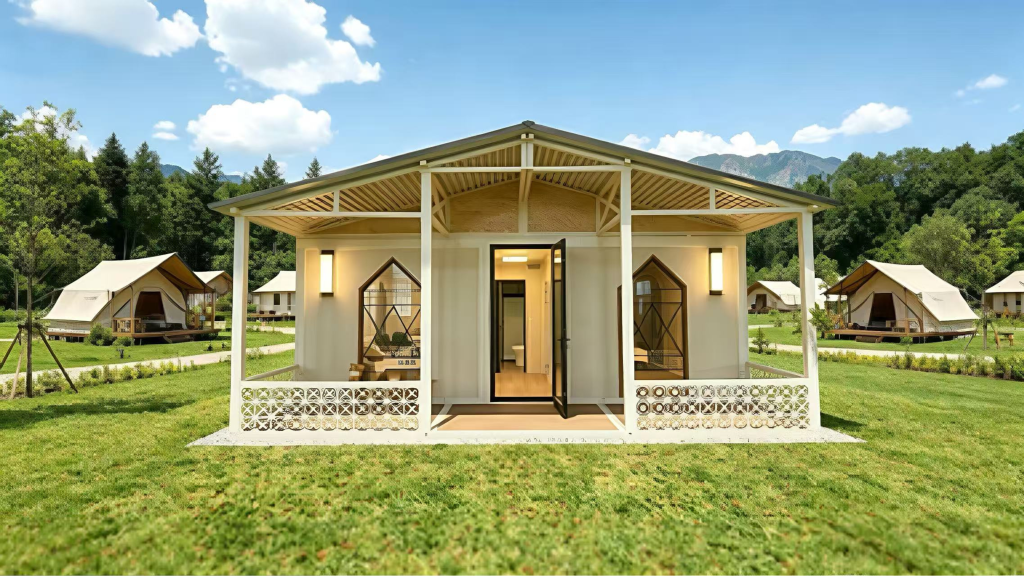
3. Eco-Resorts and Glamping Sites
Many tourist destinations are located in pristine, remote areas where industrial infrastructure is limited.
- Applications: Landscape cabins, boutique holiday rentals, and reception centers.
- Why it works: * Low Impact: Minimal site preparation preserves the natural environment.
Custom Aesthetics: The exterior and interior can be customized to match the resort’s theme, adding color and character without a premium price tag.
4. Environmentally Sensitive Regions
Many countries are placing strict limits on concrete construction because it is non-recyclable and energy-intensive.
- Applications: Protected zones and regions with high sustainability mandates.
- Why it works: Almost all materials in an expandable house—steel, aluminum, and panels—are fully recyclable. It’s a “green” building solution that avoids the environmental footprint of traditional reinforced concrete.
Conclusion: Partner with FLKT Group
At Fulinkaitai (FLKT Group), we don’t claim our product is a “one-size-fits-all” solution for every building code. Instead, we offer a transparent, high-quality alternative for those who value speed, flexibility, and cost-efficiency. By using certified components in a customizable frame, we provide the best ROI for your project.